
Keeping Cool on the Catio
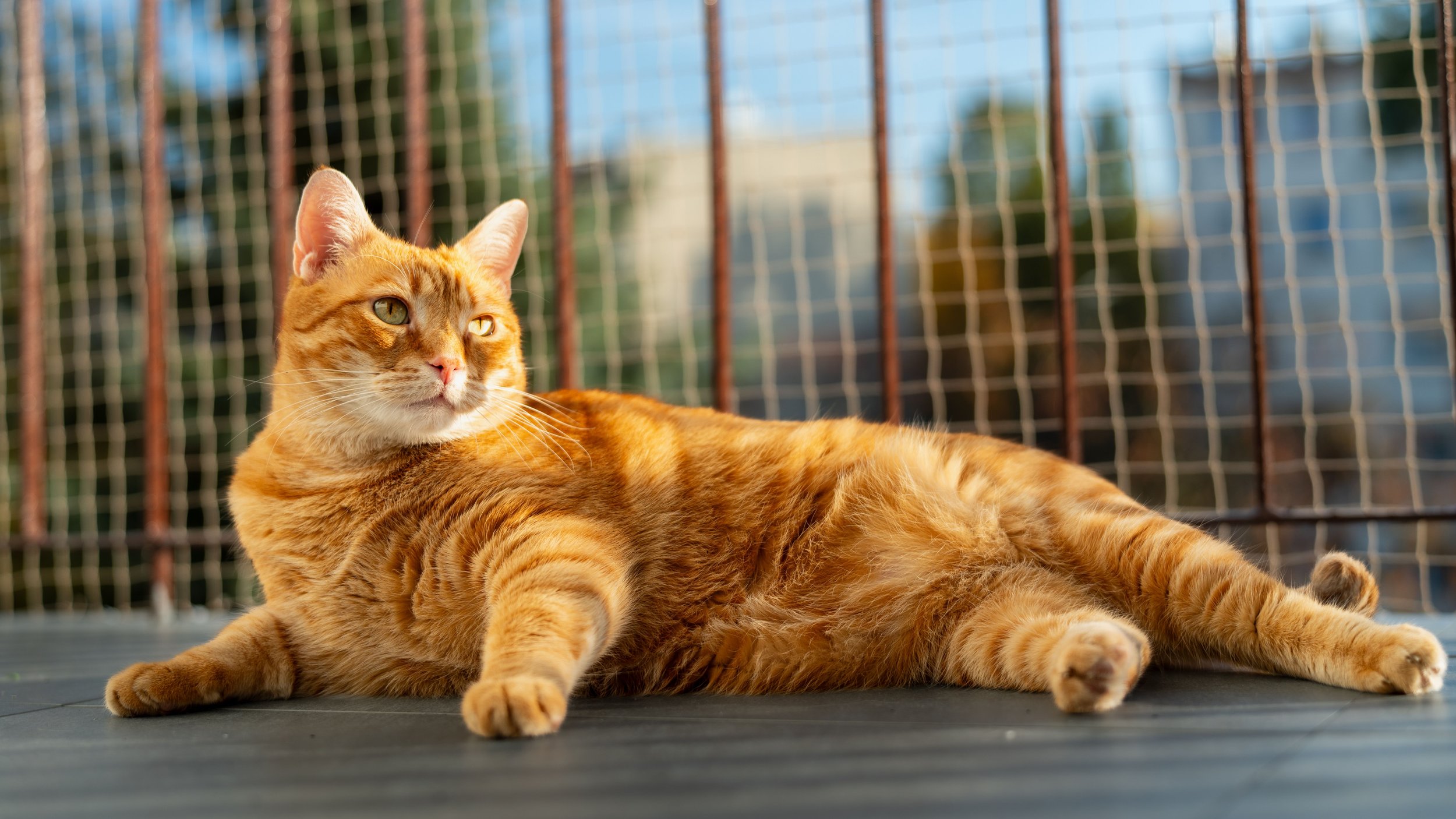
The dog days of summer have arrived in Omaha, or the cat days of summer, depending on who you ask. For many cats, summer consists of napping in a warm sun beam. For other cats, summer can be a different story. It's becoming more common for cats to enjoy long days of sunshine and outdoor adventures with their humans. However, as many cats are carrying around a fur coat and can't pant or sweat to cool themselves off, summer can quickly become a very unpleasant time.
There are many pet cats who wouldn't dream of sullying their paws by stepping onto the dirty ground outside. Many cats are perfectly happy to be strict indoors. However, look around Facebook and YouTube, and I guarantee that you will find more than a few cats and their owners who experience the great outdoors together.
Owners are building catios in their backyards to allow their cats to get some fresh air. They are training their cats to be comfortable in backpacks, strollers, and even leashes. Cats are visiting Paris and England or posing at the top of mountains in America's National Parks. It's no longer uncommon to see cats going on adventures.
This is great for cats and owners who enjoy it. However, as summer heats up, it is especially important for owners to recognize the early signs of overheating and when it is time to bring their cat to the vet to seek emergency treatment.
Many of the best steps for keeping cats comfortable in the heat are the same as they are for humans. It all begins with hydration. Drinking water and a lot of it during outdoor activities should always be part of planning. If your cat is one of those that has grown to like walking on a leash, be sure to pack a cat-friendly water bowl along with the tube treats.
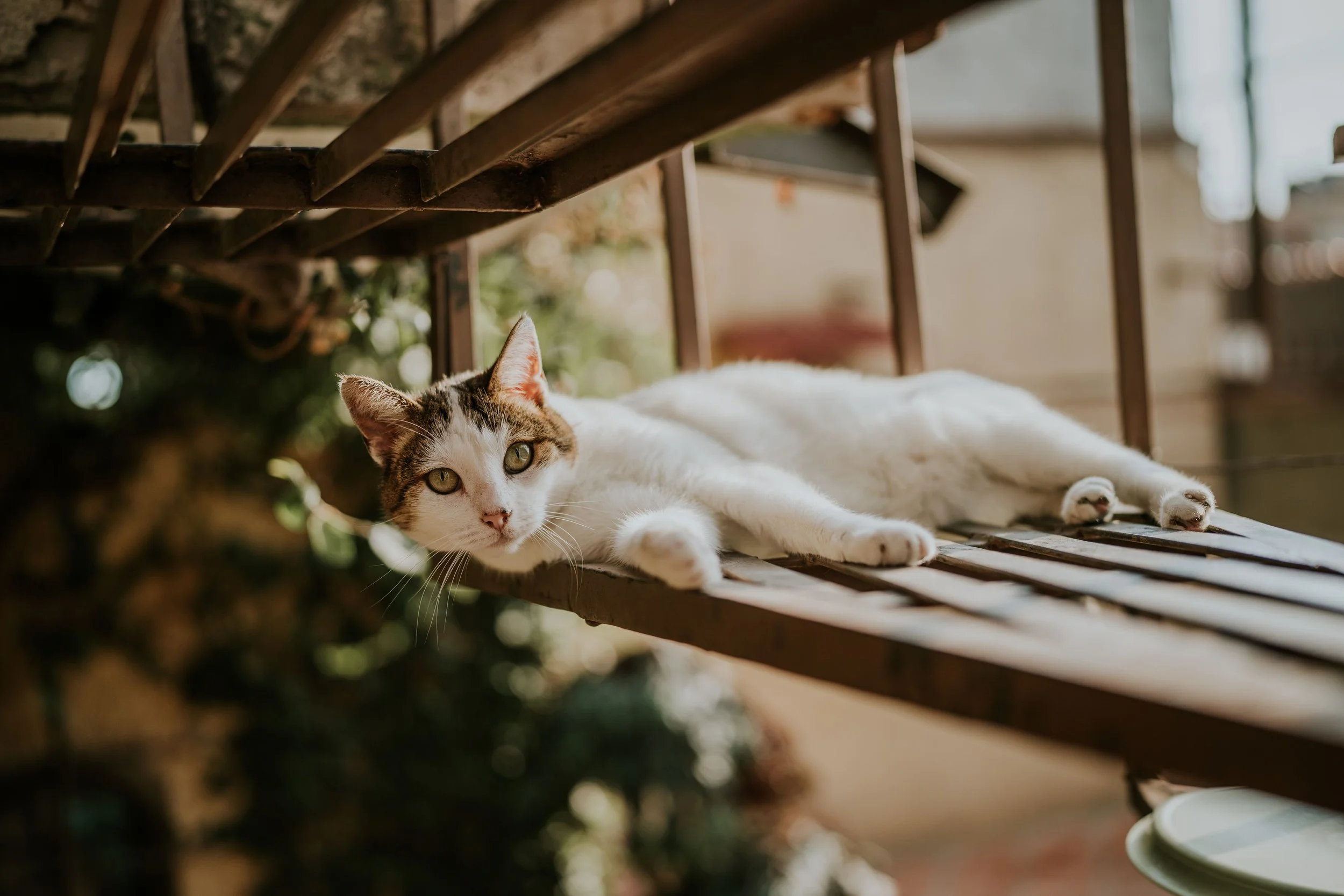
Part of the fun of any summer adventures is planning out where you'll be going and what you'll be seeing. Hitting the open road with no set plans may be more of some peoples' idea of fun. Either way, when these adventures include the family cat, always fit in time for breaks.
Start the bike or the photo tour in the morning or take a few shots at sunset in the evening, where temperatures are a bit more reasonable. Shade is also easier to find during these times, sitting with your furry friend and posing with your furry friend and people watching it one of the great joys of traveling with a pet. You'll also be the most popular person on the trail, the park, or the coffee shop.
Treatment for heat stroke in cats is bringing down their temperature and rehydrating the body. Most pets will use intravenous fluids to restore that balance. Cool, wet towels used on paws, ears, and backs, unlike a human putting a washcloth on their foreheads, will also help to bring the temperature down.
Every case of heat stroke is different and depends on many factors. With proper treatment and observation, cats should usually bounce back to their adventurous selves in only a few days.
All this being remembered, summer can be a great time for both cats and their humans. Keeping everyone safe really revolves around common sense: bring lots of water and keep to the shade. And of course, enjoy just having the time to relax in the AC with a purring cat on your lap, while sipping a lemonade (or whatever summer beverage you might enjoy).
Bringing cats on summertime adventures has become much easier. It's just one more example of how adaptable cats can be to new lifestyles. Whether hitting the open road or exploring a nearby park, the presence of our favorite feline friends makes the long, cat days of summer a whole lot cooler.